How to Transition Your Child from Crib to Bed: Pros and Cons of Different Options
How to Transition Your Child from Crib to Bed: Pros and Cons of Different Options
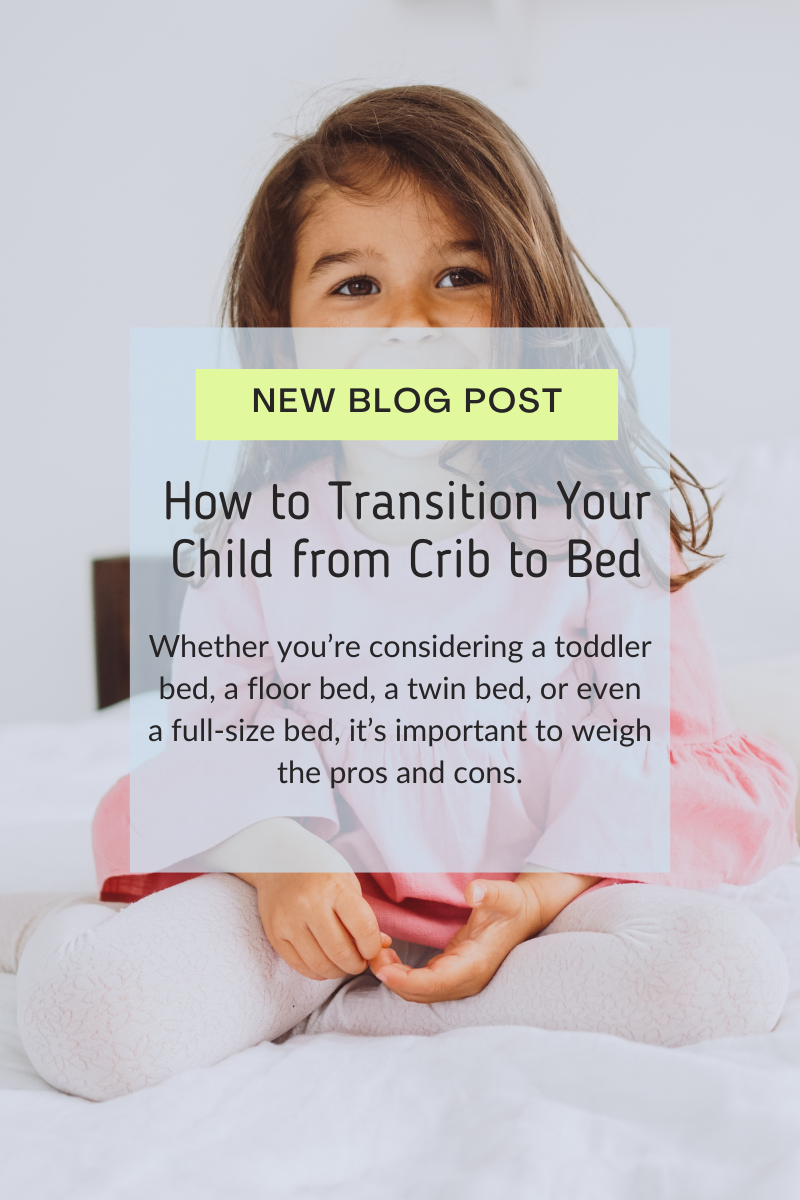
Transitioning your child from a crib to a toddler bed is a major milestone, and it can feel overwhelming with all the available options. Whether you’re considering a toddler bed, a floor bed, a twin bed, or even a full-size bed, it’s important to weigh the pros and cons. Let’s break it down to make the decision process easier.
Toddler Beds: A Familiar and Budget-Friendly Option
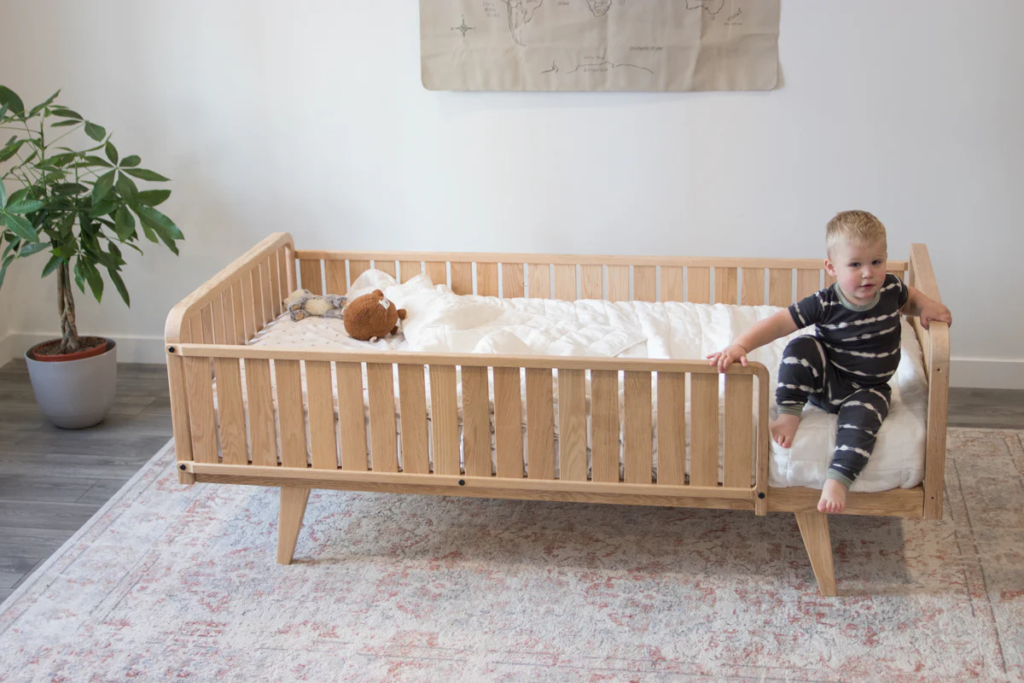
One of the most popular choices for transitioning from a crib is a toddler bed. Toddler beds come in various designs and themes, from race cars to princess castles, which can add a fun element to your child’s sleep space. Here are some of the main advantages and disadvantages:
Pros of a Toddler Bed
- Affordability: Toddler beds are often a budget-friendly choice. They are smaller and less expensive than larger beds, making them a great option if you’re not looking to invest in a full-size bed just yet.
- Low to the Floor: One of the key benefits is that toddler beds are close to the ground, minimizing the risk of injury in case your child rolls out of bed.
- Use of Crib Mattress: You can continue using your crib mattress in a toddler bed, which saves you money and ensures your child is sleeping on a familiar surface.
- Safe and Snug: Moving from a crib to a toddler bed can help ease the transition for your child because it still feels like a contained, snug space with familiar bedding and stuffed animals.
Cons of a Toddler Bed
- Outgrown Quickly: The downside is that your child may outgrow the toddler bed fairly quickly. If your child is 3 or older when you make the switch, they might only be able to use the bed for a couple of years before needing to upgrade to something larger.
- Another Transition: For children who resist change or take time to adjust, moving from a toddler bed to a bigger bed later on might be another hurdle.
Floor Beds: A Simple and Safe Choice
Another option is a floor bed, which is exactly what it sounds like—placing the crib mattress or a larger mattress directly on the floor. This option has been growing in popularity due to its simplicity and safety.
Pros of a Floor Bed
- No Risk of Falls: Because the mattress is on the floor, there’s no worry about your child falling and hurting themselves. This can give parents peace of mind, especially if their child tends to move around a lot during sleep.
- Smooth Transition: If your child is used to a crib mattress, you can simply place that on the floor, eliminating the need to buy a new mattress right away.
- Cost-Effective: You don’t need to purchase a bed frame, which can save you money. Plus, the transition from crib to floor bed can be a very smooth one since the sleep surface is already familiar to your child.
Cons of a Floor Bed
- Lack of Structure: Some parents may feel that a floor bed doesn’t offer the same sense of containment that a crib or toddler bed does. This can be a concern if your child is a frequent night-wanderer.
- No Bed Aesthetics: You might miss the decorative elements that come with traditional toddler beds or twin beds, especially if you’re looking for a bed that matches the theme of your child’s room.

Twin Beds: Growing with Your Child
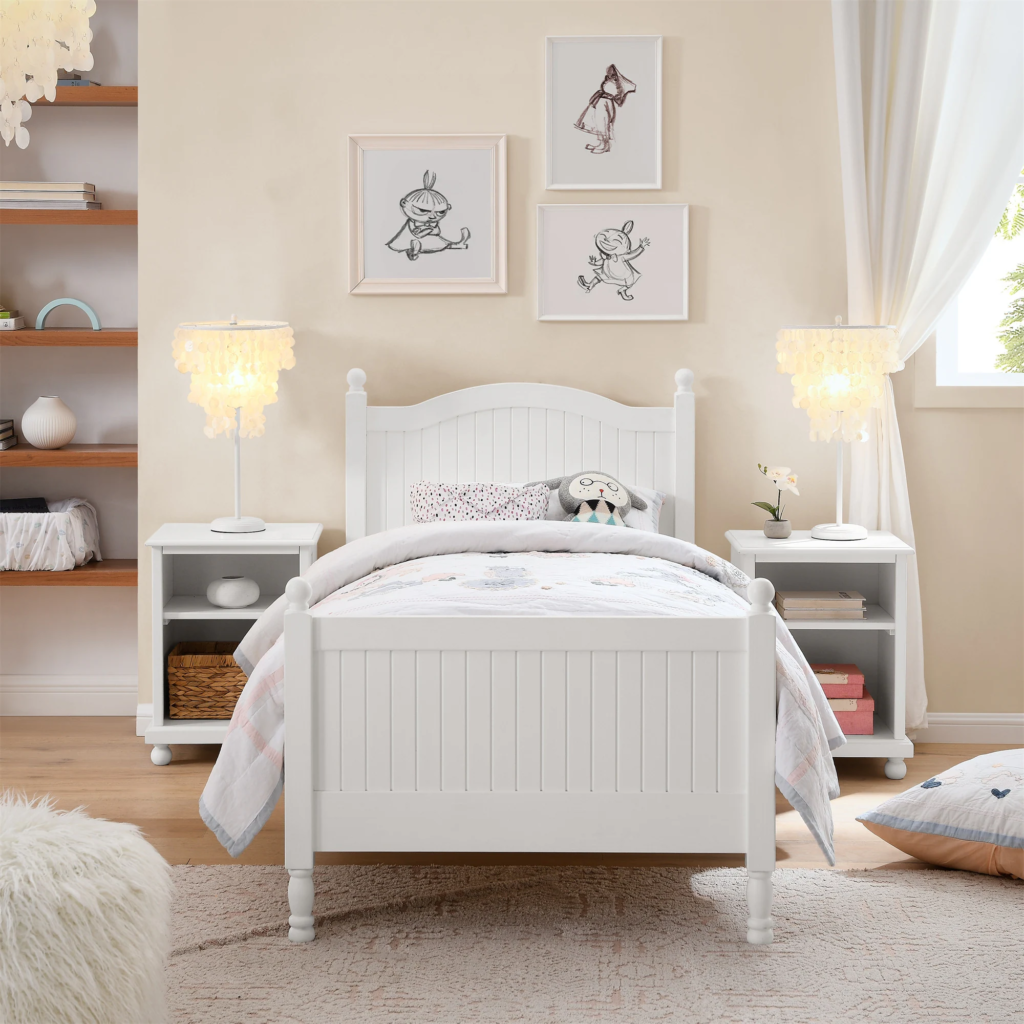
For parents who prefer to skip the toddler bed, a twin bed is a great option that will grow with your child for many years to come.
Pros of a Twin Bed
- Long-Term Investment: Unlike a toddler bed, a twin bed can last your child through their teenage years, making it a wise long-term investment. Many college students still use twin mattresses, so you’re definitely getting your money’s worth.
- More Space: Twin beds offer more sleeping space than toddler beds, which can make your child feel more comfortable, especially if they like to stretch out or sleep with a collection of pillows and stuffed animals.
- Variety of Designs: Twin beds come in various designs and can be customized to suit your child’s personality and bedroom décor.
Cons of a Twin Bed
- Higher Off the Ground: One drawback is that twin beds are raised off the ground, so you’ll need to invest in bed rails to prevent falls, at least initially. These rails are often easy to install, and some slide under the mattress and are held in place by the mattress weight.
- Takes Up More Space: If your child’s room is small, a twin bed may take up more space than you’d like, making the room feel cramped.
Full-Size Beds: More Room, But Is It Necessary?
Some parents opt for a full-size bed, especially if the crib they initially bought converts into one. This can be a convenient choice, but it’s not always necessary for younger children.
Pros of a Full-Size Bed
- Grows with Your Child: Like a twin bed, a full-size bed will last your child into their teenage years. If you have a convertible crib that transitions into a full bed, this can be a seamless option.
- More Sleeping Space: A full-size bed gives your child plenty of space to move around and can accommodate co-sleeping if you want to lay next to them while reading bedtime stories or comforting them at night.
Cons of a Full-Size Bed
- Takes Up a Lot of Space: Full-size beds can dominate a small bedroom, making it harder to leave room for toys, bookshelves, and other essentials.
- Overkill for a Toddler: For most toddlers, a full-size bed is more space than they need, and they may feel a bit overwhelmed by it.

How to Choose the Right Bed for Your Child
When deciding which bed to choose, there are a few key factors to consider:
- Your Child’s Age and Readiness: If your child is under 3, sticking with a crib or toddler bed may be best. If they’re closer to 4 or 5, a twin bed might be more appropriate.
- Your Child’s Temperament: Some children adapt to change easily, while others are more resistant. If your child struggles with transitions, you might want to choose an option that minimizes the number of changes they’ll need to go through.
- Your Budget: While toddler beds and floor beds can be more affordable in the short term, twin and full-size beds are better long-term investments that your child can grow into.
- Safety: Bed rails are essential for keeping your child safe if you choose a twin or full-size bed. Additionally, consider how high the bed is off the floor and whether your child is prone to rolling around in their sleep.
- Room Size: Take into account how much space you have in your child’s room. A full-size bed in a small room may limit the space available for play, storage, and other furniture.
- Your Child’s Preferences: If your child is 3 or older, it’s a great idea to involve them in the decision-making process. Present them with two options and let them pick. This not only empowers them but also helps make the transition smoother.
Conclusion: Finding the Perfect Bed for Your Little One
Ultimately, there’s no “one-size-fits-all” solution when it comes to transitioning your child to a new bed. Consider your family’s needs, budget, and your child’s personality before making a decision. Whether you go for a toddler bed, floor bed, twin bed, or full-size bed, the most important thing is ensuring that your child is safe, comfortable, and happy in their new sleep space.
Transitioning to a new bed can be exciting for your child, so embrace the process and enjoy watching them grow into this new stage of life. Don’t forget to subscribe for more tips on toddler sleep and parenting, and as always, keep blooming!